
Key takeaway
The child who begged to move abroad now asks to stay home from school. There are stomach aches before breakfast, snapping at a sibling, and a flat refusal to join the video call with friends from home. Moving abroad can affect a child's sense of safety, belonging, identity, friendships, language confidence, and relationship with their parents. Some emotional and behavioural changes are a normal part of adaptation. Persistent withdrawal, distress, regression, or a decline in everyday functioning deserve closer attention.
Most parents in this position are not looking for a diagnosis. They are trying to work out whether this is normal. If the move is creating distress, conflict, or emotional distance across the household, family therapy for expats can help family members understand why they are adapting differently and find a healthier way forward together.
What follows is not a checklist for fixing a child. It is a guide to reading what you are seeing, responding in a way that keeps your child talking to you, and knowing the point at which extra help is worth arranging.
How Does Moving Abroad Affect a Child?
Moving abroad changes almost every fixed point in a child's life at once: friends, school, language, routines, food, independence, and the everyday certainty of knowing how things work. Children usually had little say in the decision. That combination, enormous change paired with almost no control, is what makes relocation harder for them than adults tend to expect.
Adults move toward something. A job, a salary, a climate, a future. Children mostly move away from things, and the list is long:
- Close friends, built over years, replaced by strangers
- Grandparents, cousins, and the people who knew them as a baby
- Routines that made the week feel safe
- Status at school, where they knew who they were and what they were good at
- Language confidence, sometimes overnight
- Familiar food, shops, streets, and smells
- Independence, especially for teenagers who could travel alone before and now cannot
- A stable version of their own identity
Here is the part that confuses parents most. A child can be genuinely excited about the new country and grieving the old one at the same time. These are not contradictory feelings, and one does not disprove the other. Children are simply less practised at holding both at once, so the grief often arrives as behaviour instead of words.
A child can appreciate the new life and still miss the old one. Gratitude does not cancel grief.
This is also not a rare situation. UNICEF Data reports that in 2020 there were approximately 281 million international migrants worldwide, including 36 million children (UNICEF Data, Child Migration). That figure covers many forms of international migration, including circumstances very different from a voluntary expat relocation, so it is not an estimate of "expat children." It does show something worth holding onto: millions of children are growing up across borders, and yours is not an unusual case with an unusual problem.
What Does Normal Child Adaptation Look Like?
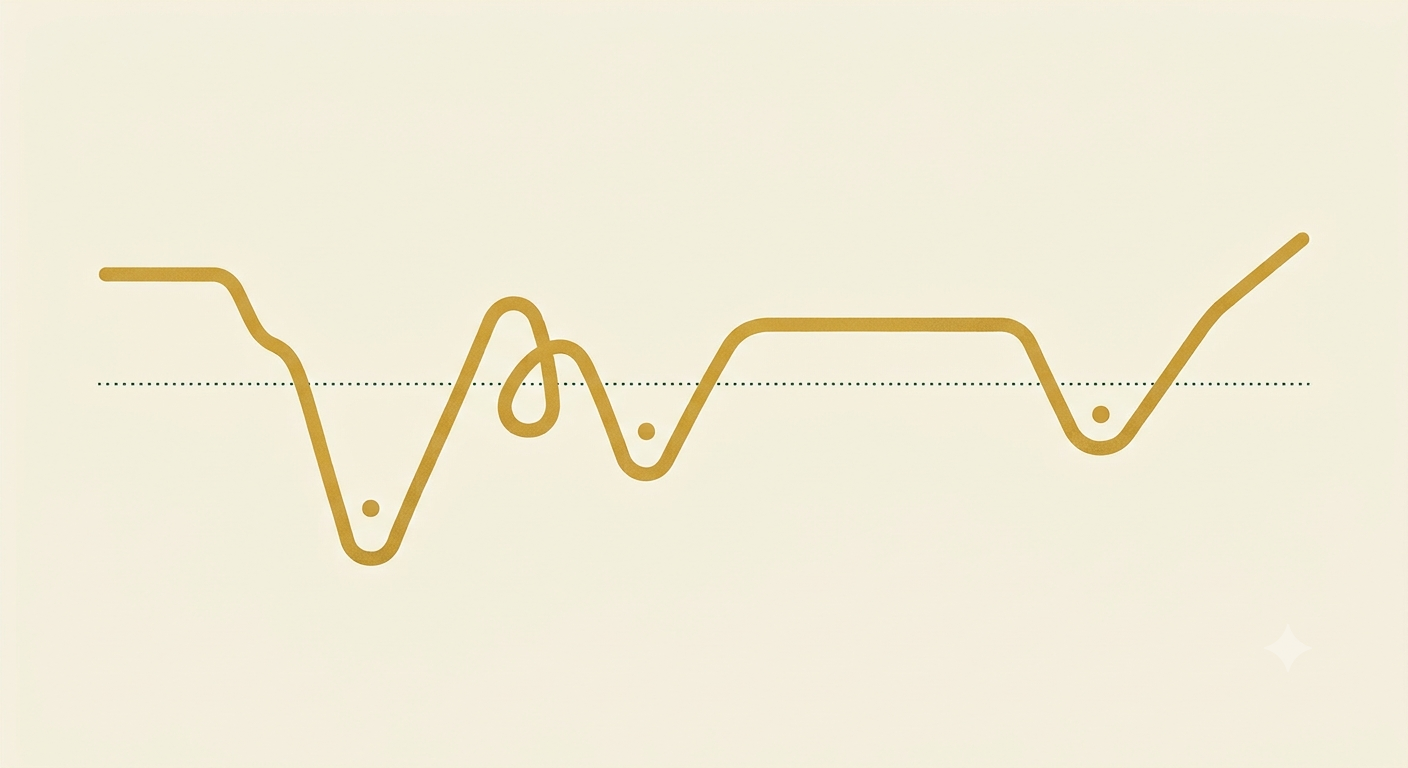
Normal adaptation is messy and rarely linear. Most children show some tiredness, homesickness, irritability, clinginess, or frustration with the new language in the first months, often coming and going in waves. Settling well for several weeks and then struggling later is common. It is not evidence that progress has been undone.
Short-term responses that usually sit within ordinary adjustment include:
- Tiredness, especially after school days spent in a second language
- Homesickness, sometimes sharp and sudden
- Irritability and a shorter fuse than usual
- Temporary clinginess or wanting a parent nearby at bedtime
- Asking repeatedly about home, or about when you are going back
- Shyness at school in the early weeks
- Frustration with the new language, including refusing to try
- Short-term sleep disruption
- Idealising the previous country, where everything was apparently better
- Brief regression in younger children
There is no universal sequence of honeymoon, culture shock, and adaptation that every child follows in order. Some children never have a honeymoon phase. Others seem fine for two months and then fall apart.
Watch the predictable pressure points. Difficulty often surfaces when the novelty wears off, around the first missed birthday, the first major holiday without extended family, or the first time a friendship group at the old school clearly moves on without them.
What Are the Signs That a Child Is Struggling After Moving Abroad?
Look at patterns rather than single incidents. Adjustment responses tend to be mild, intermittent, and slowly improving. Signs that need closer attention are more intense, more persistent, and are getting in the way of school, sleep, eating, or friendships. One difficult week is not evidence of anything. A month of steady withdrawal is worth acting on.
| Area | Possible adjustment response | Sign requiring closer attention |
|---|---|---|
| Emotional | Missing friends, occasional sadness | Persistent hopelessness, intense fear, emotional numbness |
| Behavioural | Temporary irritability | Severe aggression, continued regression, risky behaviour |
| Physical | Tiredness after school | Repeated unexplained pain, major sleep or appetite changes |
| Social | Shyness in the first weeks | Ongoing isolation, bullying, refusal to attend school |
| Academic | Temporary concentration problems | Sustained decline, inability to participate, frequent absence |
One behaviour alone almost never gives you the full picture. Before drawing conclusions, ask yourself five questions:
- Intensity. How strong is the reaction compared with what this child usually does?
- Duration. Has it lasted days, weeks, or months?
- Frequency. Is it occasional or close to constant?
- Change. Is this a shift from their normal personality, or have they always been like this?
- Effect. Is it interfering with school, sleep, eating, friendships, or family life?
Context matters here. WHO and UNICEF report that an estimated 1 in 7 children and adolescents aged 10 to 19 is affected by a mental health condition, and that one third of mental health conditions emerge before the age of 14 and half before 18 (WHO and UNICEF, October 2024). Mental health difficulties in childhood are common everywhere, with or without a move. That is a reason to take persistent distress seriously, not a reason to read a disorder into every stomach ache, bad week, or argument.
How Does Relocation Affect Children at Different Ages?
Age shapes both how relocation is felt and how it gets expressed. Younger children show distress through behaviour, sleep, and clinginess because they lack the words. Older children feel the social and identity costs far more sharply. No single age is universally hardest, because temperament, family circumstances, language ability, and the reason for the move matter just as much as birthdate.
Babies and Preschool Children
Very young children do not understand the move as an event. They understand that things feel different. Their security comes almost entirely from caregiver stability and predictable routines, so disruption tends to show up physically and behaviourally.
Expect the possibility of disrupted sleep, increased separation anxiety, regression in toileting or speech, confusion when familiar routines change, and distress expressed through tantrums or clinginess rather than explanation.
What helps most at this age is not explaining the move well. It is being calm, available, and predictable. Rebuild bedtime rituals fast, keep familiar objects unpacked early, and protect one or two anchors in the daily rhythm before worrying about anything else.
Primary School Children
This is the age where losing close friends genuinely hurts, and where comparison begins. Children this age compare the new school unfavourably with the old one, feel embarrassed about their language ability, and fear being visibly different in front of peers.
Entering friendship groups that formed years earlier is genuinely difficult, and children this age often lack the social strategies to do it. Idealising the previous school is normal. So is blaming you, out loud, for the move. That blame is usually a way of asking whether their loss is allowed to exist.
Preteens
Belonging becomes the organising concern. Self-consciousness rises, social comparison sharpens, and small differences feel enormous. Accent, clothing, lunchbox contents, family habits, and the way parents speak the local language can all become sources of embarrassment.
Preteens often want two things at once: to blend in completely at school and to protect their home identity at home. Treat that as skilful, not disloyal. They are managing two audiences, and they need permission to do it differently in each place.
Teenagers
Teenagers lose the most independence and the most social capital. Friendships built over years are interrupted, sometimes romantic relationships too, and the social position they had spent years earning does not transfer.
They also face practical stakes: a different academic system, unfamiliar exam structures, and real uncertainty about university applications. Underneath the withdrawal is often straightforward anger about having had no vote in a decision that reshaped their life.
Withdrawal from parents at this age is developmentally normal and easy to misread. The question is whether they are withdrawing from you while still connecting elsewhere, or withdrawing from everything.
How Long Does It Take a Child to Adjust to a New Country?
There is no reliable universal timeline, and any source offering a confident number is guessing. Adaptation depends on age, temperament, language, school environment, friendships, family stress, and whether the child wanted the move. Some children settle within months. Others take years. Many move forward and backward several times before it holds.
The factors that genuinely shift the timeline:
- Age and temperament
- Whether the child wanted the move, or actively opposed it
- Number of previous moves
- Language ability, and how much of the school day runs in a second language
- School environment and how well the school integrates new arrivals
- Realistic opportunities to make friends outside school hours
- Family stress levels and housing stability
- Parent wellbeing
- Any experience of discrimination or exclusion
- Continued contact with the people who mattered at home
Repeated disruption is worth taking seriously. A systematic review of 22 studies by Jelleyman and Spencer in the Journal of Epidemiology and Community Health found that childhood residential mobility was associated with outcomes including higher levels of behavioural and emotional problems, adolescent depression, and reduced continuity of healthcare (Jelleyman and Spencer, 2008). Association is not causation, and frequent household moves, housing instability, domestic relocation, and a planned international move are very different experiences. The useful takeaway is narrow: the more disruption a child has already absorbed, the more deliberate you need to be about stability now.
One warning that matters more than any timeline. Visible functioning is not the same as emotional adaptation. A child can attend school, complete homework, pass exams, and stop complaining while still feeling profoundly alone. Compliance is easy to mistake for progress.
The question is not "Has my child fully adapted yet?" It is "Are they slowly building safety, connection, and confidence?"
Why School, Language, and Friendships Matter So Much
School is where relocation becomes real. It is where a child meets a new language under pressure, unfamiliar teaching styles, and friendship groups that formed without them. For most children, break time is harder than lessons. How school is going socially, rather than academically, is usually the clearest indicator of how adaptation is actually progressing.
What children are managing, often silently:
- Unfamiliar teaching styles and different classroom expectations
- Learning academic content through a second language while still acquiring the language
- Fear of making mistakes in front of peers
- Isolation at lunch and break, which is unstructured and therefore exposed
- Entering friendship groups that already have history
- Having their academic ability underestimated because of limited language
- Bullying or cultural exclusion, which children frequently do not report
Practical things that work:
- Contact the teacher early, before there is a problem to report. Introduce yourself and open the channel.
- Ask who your child spends break time with. Not "how was school," which reliably produces "fine."
- Request a buddy or peer-support system. Many international schools have one and simply do not offer it unless asked.
- Ask the school to distinguish language ability from academic ability in writing, so your child is not placed below their level.
- Choose one manageable extracurricular activity, ideally something physical or creative where language demand is low.
- Ask about bullying directly and calmly, and more than once. A single conversation rarely surfaces it.
- Do not fill every afternoon with organised activities in the hope of manufacturing friendships.
- Protect recovery time. A full day in a second language is genuinely exhausting, and children need permission to be flat afterwards.
One thing to resist: advice to drop your home language to speed up the new one. Maintaining your child's first language protects family connection, cultural identity, and their ability to express complicated feelings precisely. Children who lose their home language often lose the ability to talk to grandparents, and sometimes the ability to talk to you about anything difficult.
What Can Parents Do During the First 90 Days?
Focus on safety, routine, and connection rather than speed. In the first three months your job is not to make your child love the new country. It is to make daily life predictable, keep the door open for difficult feelings, and help them build one or two genuine points of connection. Everything else can follow later.
- Name the losses as well as the opportunities. Let your child say what they hate without defending the move. Listening is not agreeing.
- Rebuild predictable routines fast. Mealtimes, bedtime rituals, and family habits carry more weight now than they did before.
- Give meaningful choices. Let them decide their room layout, an activity, or the weekend plan. Control matters because they had none over the move.
- Protect contact with home. Schedule it rather than forcing constant video calls, and accept that some children need a break from it for a while.
- Create one local anchor. A single friend, neighbour, club, library, park, or regular café is enough to start building belonging.
- Coordinate with the school early. Do not wait for academic failure to justify the conversation.
- Spend individual time with each child. Siblings need very different conversations, and they rarely happen with everyone in the room.
- Make space for mixed feelings. A good day does not prove adaptation is complete, and a bad day does not mean the move has failed.
- Watch your own stress. Children read the emotional climate at home long before adults explain it.
- Review progress monthly, not weekly. Look for small changes in connection, confidence, sleep, and participation rather than dramatic improvement.
Recovery from homesickness is rarely a straight line for adults either. Expecting one from a child is unfair to both of you.
What Should Parents Avoid?
Avoid anything that asks your child to protect your decision. Guilt, financial commitment, and a strong need for the move to succeed can make parents defensive when a child complains. The most damaging responses are the ones that quietly tell a child their sadness is ingratitude, or a threat to the family.
Things worth removing from your vocabulary:
- "You should be grateful." It teaches the child to stop telling you things.
- Comparing siblings, in either direction.
- Telling the child everyone else has adapted, which is usually not true and always isolating.
- Forcing immediate language performance in front of other people.
- Overscheduling to manufacture friendships.
- Dismissing every complaint as culture shock.
- Asking the child to reassure you that the move was right.
- Repeatedly threatening to go back home, which makes stability feel conditional.
- Treating good grades as proof of wellbeing.
- Speaking negatively about the host country in front of the child, then asking them to settle into it.
- Making the child responsible, in any way, for the success of the relocation.
When a child criticises the new country, they may not be rejecting your decision. They may be asking whether there is room for their loss inside the family story.
How Can Parents Support Identity and Belonging?
Belonging does not require choosing one country over another. Children adapt best when they can keep their family language and traditions while taking on parts of the host culture, without being asked to prove loyalty to either side. Identity built abroad tends to be layered rather than singular, and it will keep changing as the child grows.
What supports it in practice:
- Keep family language and traditions alive without making them a test.
- Let children adopt parts of the host culture, including habits you find strange.
- Avoid loyalty tests. Questions like "you still feel Italian, don't you?" ask a child to pick a side.
- Celebrate multiple cultural influences as normal rather than remarkable.
- Talk openly about being different, including the parts that are genuinely hard.
- Help them build their own answer to "Where are you from?" rather than supplying one.
- Expect the answer to change at different ages, and do not treat that as instability.
You may come across the term third culture child, or third culture kid. It is commonly used to describe someone who spends a significant part of their developmental years outside their parents' passport culture and develops an identity shaped by several cultures at once. Plenty of children find the idea a relief because it names something they had felt but not articulated. Others find it irrelevant or slightly imposed. The term is available to your child, not required of them.
What If Siblings Adapt at Different Speeds?
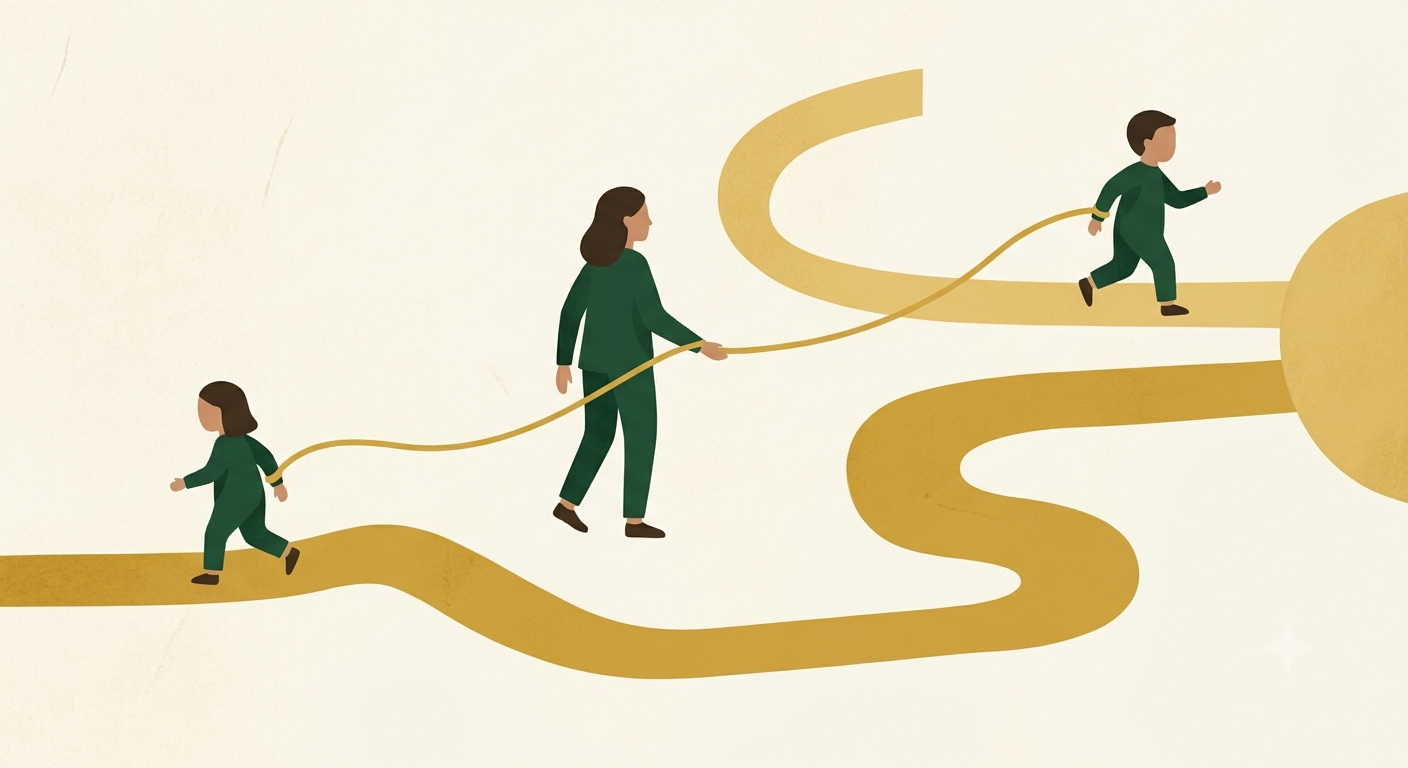
Different speeds are normal and rarely a matter of effort or attitude. Age, temperament, language confidence, school placement, and the social position each child held before the move all change how relocation lands. One sibling thriving is not evidence that another is choosing to struggle, or being difficult on purpose.
Siblings commonly differ because of:
- Age and developmental stage at the time of the move
- Temperament, including how easily they approach new people
- Language confidence
- How strong their friendships were before leaving
- School placement, and whether their year group was welcoming
- Neurodiversity, which can make sensory and routine changes much harder
- The role they held in the previous country, such as being the sporty one or the popular one
- Their individual relationship with each parent
Retire the comparison sentence. "Your sister already has friends" lands as an accusation, not encouragement. Set individual goals instead, and hold separate check-ins so each child can be honest without an audience.
Different adaptation speeds also put pressure on the adults. The struggling child absorbs most of the attention, the adapting child learns to have no needs, and parents start disagreeing about whether to be patient or firm, whether to stay or leave. Resentment and guilt build in every direction. When the household has been locked in that pattern for months, family therapy for expats can help everyone understand why they are adapting differently instead of arguing about who is right.
How Does Parent Wellbeing Affect Child Adaptation?
Children read the emotional climate at home long before anyone explains it. You do not need to hide every difficult feeling, and pretending everything is fine rarely convinces them anyway. What helps is showing that adults can name stress and still take responsibility for managing it, so the child is not left carrying weight that belongs to you.
Parents abroad are often managing a considerable amount at once:
- Loneliness, and the slow work of building a social life from nothing
- Relocation guilt, particularly when a child is unhappy
- Career loss or career interruption, especially for an accompanying partner
- Financial pressure, sometimes worse than expected
- Relationship tension between partners who are adapting at different speeds
- No extended family nearby for practical or emotional support
- Genuine disagreement about whether to stay
- Pressure to make the move look successful to everyone back home
One boundary is worth protecting carefully. Your child should not become your emotional caretaker. Sharing that you find something hard is healthy. Asking them to comfort you about the decision is not, and children who take that role on tend to stop reporting their own difficulties entirely.
Parents often focus so completely on helping the child adapt that they ignore their own exhaustion and guilt. Parenting abroad therapy can support parents who feel overwhelmed, isolated, or uncertain about raising children between cultures.
When Should Parents Seek Professional Support?
Consider professional support when distress is persistent, worsening, or interfering with daily functioning, or when the family has been stuck in the same conflict for months. You do not need to wait for a crisis, and you do not need to be certain something is wrong before asking someone qualified to take a look.
Signs that warrant a professional conversation:
- Ongoing refusal to attend school
- Persistent social withdrawal rather than temporary shyness
- Major changes in sleep or appetite
- Repeated unexplained physical complaints
- Severe aggression or emotional outbursts beyond their usual range
- Regression that continues or worsens rather than fading
- Panic, intense fear, or persistent sadness
- Sustained academic decline
- Loss of interest in activities they previously enjoyed
- Alcohol, drug use, or risky behaviour in teenagers
- Any statement about hopelessness, self-harm, or not wanting to live
- Family conflict that has become centred on one child
Some situations should not wait for a therapy appointment. Immediate danger, suspected abuse, self-harm, suicidal intent, severe eating restriction, or loss of contact with reality needs urgent local medical, crisis, or emergency support now.
If you are also carrying your own difficulty alongside your child's, it may help to read more broadly about expat mental health before deciding what kind of support the family needs.
How Can Family Therapy Help After an International Move?
Family therapy after a move does not begin from the assumption that the child is the problem. It treats relocation as something the whole household is adapting to at different speeds, and works on communication, blame, routines, and the losses nobody has managed to say out loud. The child is not the patient. The transition is the subject.
In practice, it can help a family:
- Understand why members are adapting at different speeds
- Reduce blame, including the child's blame toward parents and parents' blame toward each other
- Talk about what was lost without anyone needing to defend the move
- Improve parent and child communication when conversations have stopped working
- Manage sibling tension and rebalance attention
- Rebuild routines and boundaries that fell apart during the move
- Recognise how parent stress is landing on the children
- Make clearer decisions about staying, moving again, or returning
- Protect cultural and family connection across generations
Cultural and language fit matters more here than in most therapy. A psychologist who has lived abroad understands why a grandparent's absence carries the weight it does, why an accent becomes a source of shame, and why "just make friends" is useless advice. Working in a family's own language also lets children and parents describe feelings precisely instead of approximately.
Moving abroad can affect every member of a family differently. If your child's distress is creating conflict, guilt, or emotional distance at home, family therapy for expats can help your family understand what is happening and adapt together.
One honest caveat before you book anything, with us or anyone else. Not every psychologist works with children, and child therapy is a distinct specialism. Before your first session, confirm the psychologist's age range, professional registration, experience with families or young people, and whether they are permitted to practise where your family currently lives. A good provider will answer all four without hesitation.
Adaptation Looks Different From What Parents Expect
Come back to the child from the beginning. The one with the stomach aches, the refused video calls, the sharp words at their sibling.
Adaptation will not announce itself. It is not proven by speaking the language quickly, getting good grades, or simply going quiet about missing home. Those are often just signs that a child has learned what you want to hear.
Real adaptation arrives slowly, and it looks like this: they feel safe. They have someone. They try things without needing to be certain first. They get curious about where they live. And they can miss home, out loud, without that feeling like a threat to their ability to live here.
If your child is struggling, it does not prove the move was a mistake, and it does not mean you have failed them. It means they are a person who lost something real and is still working out what to do with that. Most children get there. Some need help along the way, and asking for it early is not an admission of anything.
If the move has left your family stuck in conflict, guilt, or distance, family therapy for expats can help you adapt together, in your own language, with a psychologist who has lived it too.
Frequently Asked Questions
How long does it take a child to adjust after moving abroad?
There is no reliable universal timeline. Some children settle within a few months, others need a year or more, and many progress unevenly with real setbacks along the way. Age, temperament, language ability, school environment, friendship opportunities, family stress, and whether the child wanted the move all change the picture. Judge progress by direction rather than speed.
What are the signs of culture shock in children?
Children often show it through behaviour rather than words: irritability, tiredness, clinginess, sleep changes, stomach aches or headaches, reluctance to go to school, and idealising the previous country. Younger children may regress in toileting or speech. These responses are common in the early months. It is the intensity, duration, and effect on daily life that indicate whether more support is needed.
Is regression normal after an international move?
Brief regression is common in younger children, particularly around sleep, toileting, and separation. It usually reflects a temporary need for security during upheaval rather than a developmental problem. Consistent routines, physical closeness, and a calm caregiver typically help it settle. Regression that continues for months, worsens, or appears alongside other significant changes is worth discussing with a professional.
What age finds moving abroad most difficult?
No age is universally hardest. Very young children are sensitive to disrupted routines and caregiver stress. Primary school children feel friendship loss sharply. Preteens struggle most with fitting in. Teenagers lose independence, social standing, and academic continuity at once, often with no say in the decision. Temperament, family circumstances, and the reason for moving matter as much as age.
How can I help my child make friends in a new country?
Start with one connection rather than many. Ask the school for a buddy system, choose a single regular activity where language demand is low, and make it easy to invite one child over rather than organising large events. Repeated, low-pressure contact builds friendships more reliably than volume. Avoid filling the calendar in the hope that friendship happens by accident.
What should I say when my child wants to go home?
Listen before you respond. Let them describe what they miss without correcting them or defending the move, then acknowledge the loss plainly: "I know you miss them, and that is really hard." Avoid promising to return unless you mean it, and avoid arguing about whether life here is objectively better. Being heard is what usually reduces the intensity.
Should we continue speaking our native language at home?
Yes, in almost all cases. Maintaining the home language protects family connection, cultural identity, and your child's ability to express complicated feelings precisely. It does not slow down acquisition of the new language, which children pick up through school and peers. Losing the home language often costs contact with grandparents and depth in conversations with parents.
What is a third culture child?
A third culture child, sometimes called a third culture kid, is commonly understood as someone who spends a significant part of their developmental years outside their parents' passport culture and develops an identity shaped by several cultures. Many children find the term useful because it names something they had already felt. Others do not relate to it, and there is no need to apply it to your child.
What if one sibling adapts and another does not?
This is normal. Age, temperament, language confidence, school placement, neurodiversity, and the social position each child held before the move all affect how relocation lands. Avoid comparisons entirely, set individual goals, and hold separate check-ins. If the difference is generating sustained resentment, guilt, or conflict between parents, family therapy can help the household understand the pattern.
When should we consider family therapy?
Consider it when distress is persistent or worsening, when the same conflict has repeated for months, when parents disagree fundamentally about how to respond, or when one child's difficulty has become the centre of family life. You do not need a crisis or a diagnosis to justify it. Urgent safety concerns need immediate local medical or emergency support instead.
Need support? We're here.
Book a free 15-min consultation with our expat-specialized therapists.